

Request a Demo
"*" indicates required fields
"*" indicates required fields

In only ten weeks, Casechek’s NoTouchPOTM has generated over 2M dollars of Purchase Orders without human intervention. Casechek has implemented a touchless Bill-Only payment automation system with NoTouchPOTM. This system automatically generates purchase orders (POs) for patient-specific items without human intervention, significantly reducing the time required to process these orders. Previously, generating a single Bill-Only …
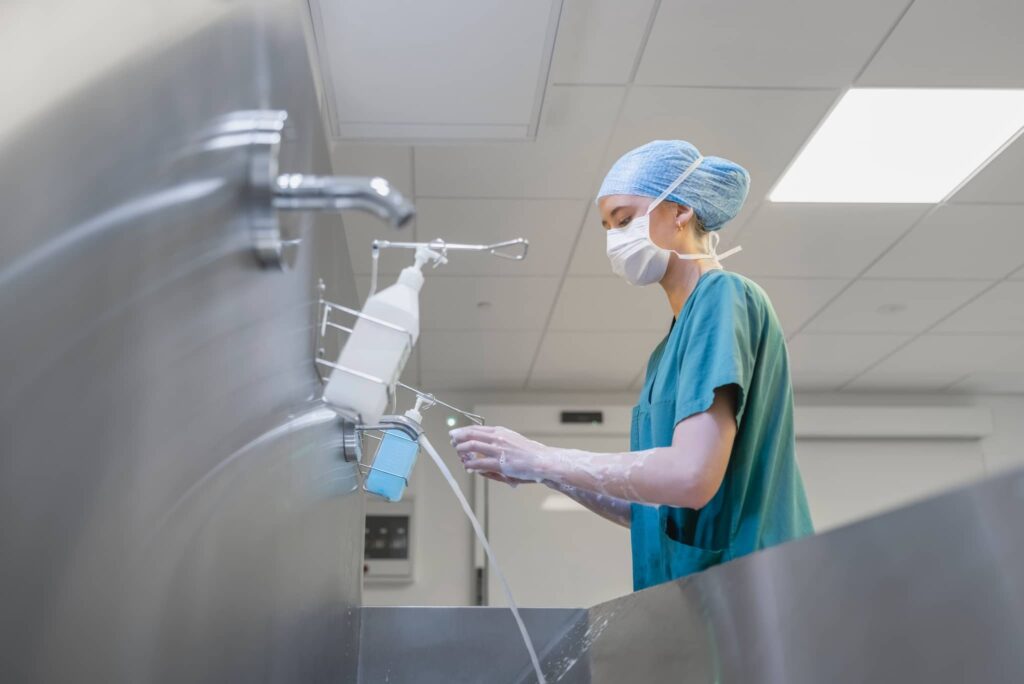
Sterile processing in hospitals is a critical behind-the-scenes operation that significantly impacts patient safety, surgical success, and overall healthcare quality. This article delves into why sterile processing is so important in the United States and explores the future direction this essential service is headed toward. With a focus on maintaining the highest standards of cleanliness …

In the world of healthcare, where efficiency and cost control are essential to maintaining high standards of patient care, adopting automation is paramount to achieving these objectives, especially in often underserved sectors like the patient-specific supply chain. By helping transform how clinical staff manage physician preference items and vendor coordination, Casechek’s Auto-Assign brings hospitals one …

What is a Rep Managed Supply Chain and how does it impact hospitals? The rep-managed supply chain refers to all the just-in-time supplies, typically implants, instrumentation, and accessories, that a medical device sales representative (sales rep) brings to a hospital for a specific patient’s procedure. Typically comprised of sterile packaged devices and non-sterile trays, these …
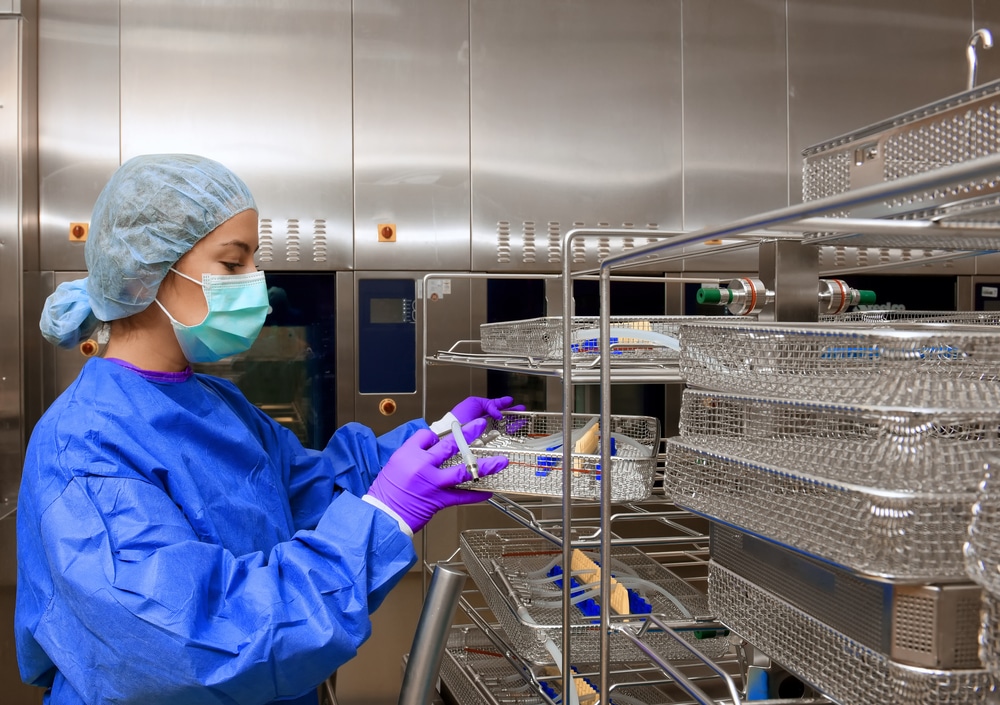
In the bustling world of healthcare, where the spotlight frequently graces doctors, nurses, and cutting-edge technology, we often forget to consider who is behind the scenes making it all possible. This unsung hero is none other than the Sterile Processing Department (SPD) – a critical department that is responsible for making sure that all surgical …

We’re excited to announce a new automation feature, Auto-Assign! Now, with Auto-Assign, you can eliminate repetitive tasks, reduce manual labor, and help to free up clinical resources for higher-value work. Use Auto-Assign to save your OR Coordinators and Schedulers time Clients with an automated scheduling feed can now create an Auto-Assign case template to coordinate …

Regarding medical devices like implants, one size does not fit all. Patients require implants specifically suited for them, making hospitals unable to stock patient-specific implants as they do with other inventories. Because of this, procuring and paying for patient-specific implants is complicated. This process is often referred to as “Bill-Only.” But, what exactly is “Bill-Only” and …

You are likely aware that key clinical and supply chain personnel dedicate significant time auditing and processing bill-only purchasing requests. The time required to check third-party forms and bills to internal systems is burdensome. This often leads supply chain leaders to worry about price discrepancies and overpayments from the manual burden. Not to mention, expense …
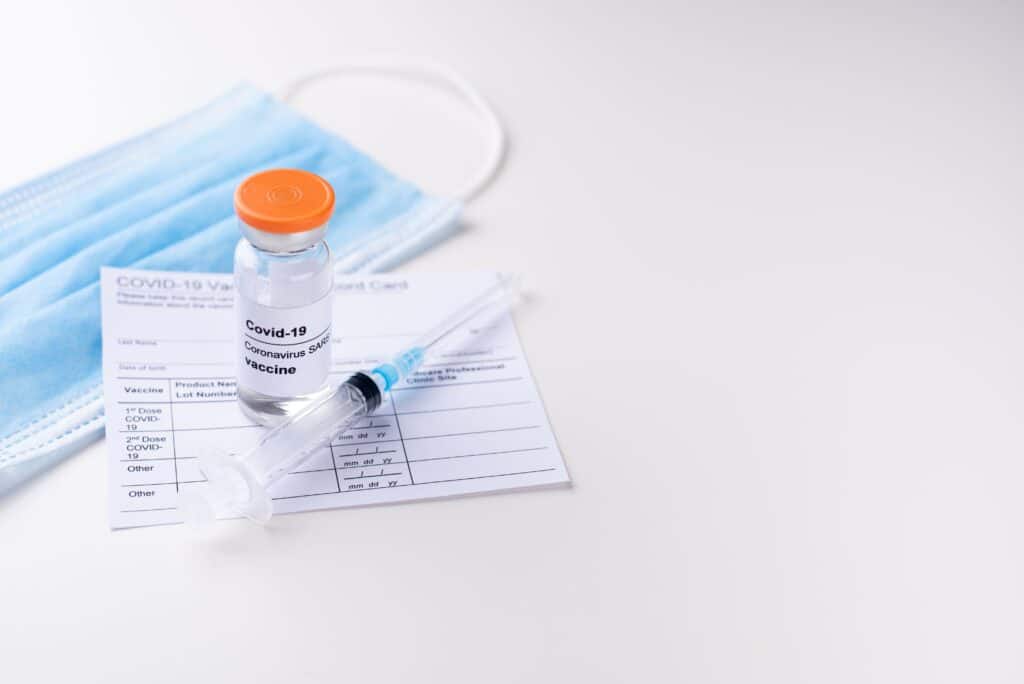
THANK YOU TO ALL OUR HEALTHCARE HEROES On behalf of Casechek, our families and communities, thank you to all of our #healthcareheroes for selflessly leading the fight against the COVID-19 pandemic. We want to share our unwavering support for those on the frontlines, as we navigate these unprecedented times together. NAVIGATING UNCERTAINTY Responding to a Dynamic Situation …

In collaboration with TriHealth, we presented the success of our vendor management solution at the 2018 OR Manager Conference. TriHealth knew it needed a new approach to vendor management and they partnered with Casechek to implement a sustainable solution. Check out our poster here! Background: Goals: