

Request a Demo
"*" indicates required fields
"*" indicates required fields

In only ten weeks, Casechek’s NoTouchPOTM has generated over 2M dollars of Purchase Orders without human intervention. Casechek has implemented a touchless Bill-Only payment automation system with NoTouchPOTM. This system automatically generates purchase orders (POs) for patient-specific items without human intervention, significantly reducing the time required to process these orders. Previously, generating a single Bill-Only …
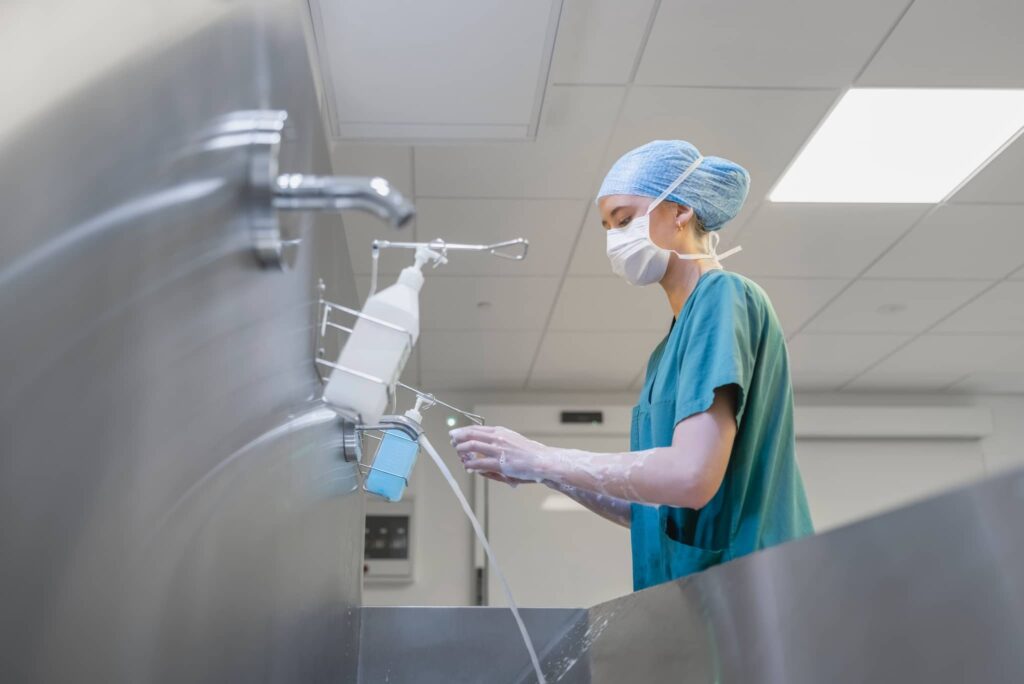
Sterile processing in hospitals is a critical behind-the-scenes operation that significantly impacts patient safety, surgical success, and overall healthcare quality. This article delves into why sterile processing is so important in the United States and explores the future direction this essential service is headed toward. With a focus on maintaining the highest standards of cleanliness …
We’re thrilled to announce that UCLA Health has joined the Casechek family to automate their Bill-Only process and have better vendor control. This partnership is based upon our shared commitment to innovation, technology, and excellence in patient care. We’re excited to see what’s to come!
In this KLAS case study, discover how Casechek is transforming the implant supply chain. Learn how Casechek’s Bill-Only solution is reducing manual and administrative burdens, improving Bill-Only spend visibility, and providing seamless implementation. Additionally, the case study features the experiences and results of early adopters. To read the complete case study, please fill out the …

Join Alisha Beringer and Betsy Wormet for a 1-hour webinar hosted by SMI. Discover how Northwestern Medicine and Casechek won the 2023 Tom Hughes Collaboration Award by tackling the industry-wide challenge of Bill-Only payments. Learn how new automation features have moved Northwestern from Procedure to PO in minutes! Key Learning Points: NoTouchPO is live! Automated …

In the world of healthcare, where efficiency and cost control are essential to maintaining high standards of patient care, adopting automation is paramount to achieving these objectives, especially in often underserved sectors like the patient-specific supply chain. By helping transform how clinical staff manage physician preference items and vendor coordination, Casechek’s Auto-Assign brings hospitals one …

The Journal of Healthcare Contracting recently published an article featuring Northwestern Medicine and Casechek for their collaborative efforts to address the challenges of processing and managing Bill-Only payments in the healthcare supply chain. Casechek’s platform, developed in partnership with Northwestern Medicine, automates workflows for implant supply chains, tackling the complexities of selecting patient-specific implants and …

We would like to congratulate our customers Stanford Health Care, Advocate Health, Northwestern Medicine, Baylor Scott & White Health, and Trinity Health for making the 2023 Gartner Supply Chain Top 25! The Gartner Healthcare Supply Chain Top 25 for 2023 identifies, celebrates and profiles health systems demonstrating excellence in supply chain management. Now in its …

Mike Hopkins, Vice President of Supply Chain Distribution and Logistics for Northwestern Medicine, has garnered recognition as an Inventory Efficiency Expert for his outstanding contributions to healthcare supply chain management. In a recent feature in American Healthcare Leader, Hopkins delved into the intricacies of healthcare supply chain dynamics and his collaborative efforts with Casechek. Like …
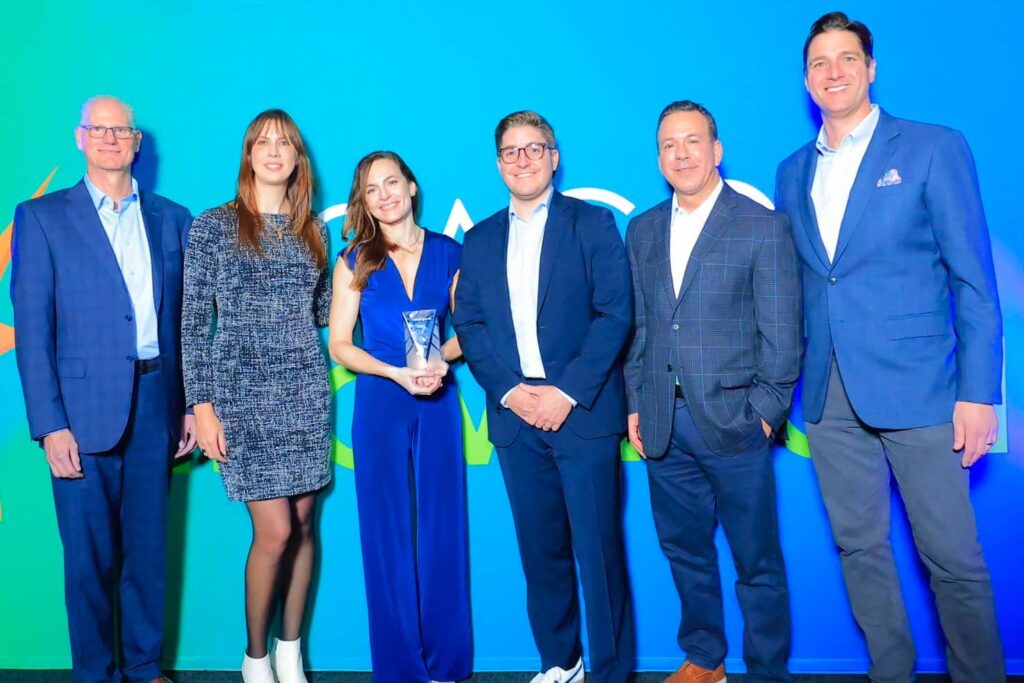
Chicago, IL— Casechek has been named one of the 22nd annual Chicago Innovation Awards winners. As the city’s most recognized innovation award, the Chicago Innovation Awards celebrates innovations that have had a transformative impact in their respective fields. The award underscores the importance of innovation in creating positive change and pushing the boundaries of what …